When James Joyce wrote “in a violet night, walking beneath a reign of uncouth stars” he was reflecting the rich literary tradition of using colour as a symbol for emotions, for the sacred, to help map in a tangible way, a world that seemed without form or structure. Russian painter and poet, Vasily Kandinsky, wrote that “each colour lives its mysterious life”, an evocation of the power of colour to explain what words cannot. The Russian language has two distinctive words for blue; guloboy (голубой) for the clear, translucent blue of the sky, of innocence, and hopeful things ,and siniy (синий) for the dark midnight blue of melancholy, overwhelming sadness, and existential dread. Nowhere is this more evident than in the poetry of Sergei Yesinin, who could show heaven and earth, the ethereal realms and the dark depths in how he described “blue happiness” and the “dark blue midnight” of endings”, drawing from the rich tradition of Russian Orthodox artworks and the equally rich canon of Russian literature.
In the Byzantine churches, color was not just decorative: it could lift us beyond this earthly, human realm. Byzantine mosaics utilized gold tesserae (glass tiles layered with gold leaf) not to show material wealth, but to represent the blinding, timeless void of heaven. Gold was positioned at angled degrees on church walls so that flickering candlelight would make the background pulse, dissolving the solid stone walls into a shifting, ethereal realm. In 12th century France, the Abbot of Saint-Deniis, who effectively invented Gothic architecture, evolved a concept known as Lux Nova (New Light). Stained glass windows did not merely let in light, they transformed raw sunlight into sacred, glowing colours that spoke directly to the human soul.
I first became enchanted by colours and mapping in the marginalia of Armenian manuscripts, where seventh century artisans had captured native grape industries and the geopolitical trade routes between Armenia and Venice. My interest in terrorism began with Armenia, with the aftermath of the 1915 Genocide and the subsequent emergence of groups like the Armenian Secret Army for the Liberation of Armenian and and Justice Commandos of the Armenian Genocide. An Armenian-American professor, an expert on the cultural narratives of terrorist groups laid the foundation for my doctoral thesis. Since then, I have been enchanted and fascinated by the unexpected maps made of colour that I find in sacred books, in novels, and in histories. This led me to believe I could one day create such a thing for the world I discovered inside terrorism, that I could draw its links and connections in the same way monks captured the fragile shape of Constantinople under siege or Italian cubists evoked a future of speed and technology that was still embryonic.
My codex will evolve and change as I write and explore. For now,

Blue for exploration and discovery. Various shades of blue for terrorism theories, political science theories about terrorism, and frameworks used to structure terrorism as a discipline. I believe I will follow the Russian model of exploring dimensions of blue to let me build and structure spaces that seem unknown and vast.
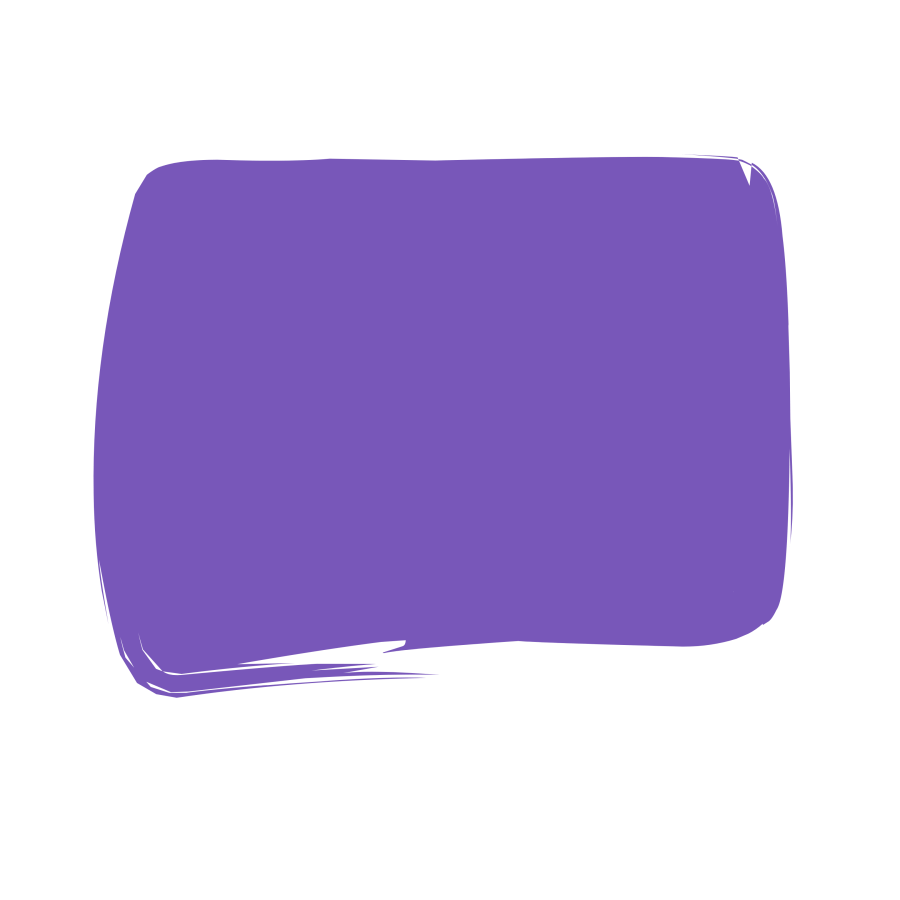
Purple and its graduations for intelligence and the emergence of counter terrorism and intelligence systems. This is a rapidly developing area and one with a rich, deep ecosystem of expertise, innovation, and creative ideas as well as some fascinating stories.
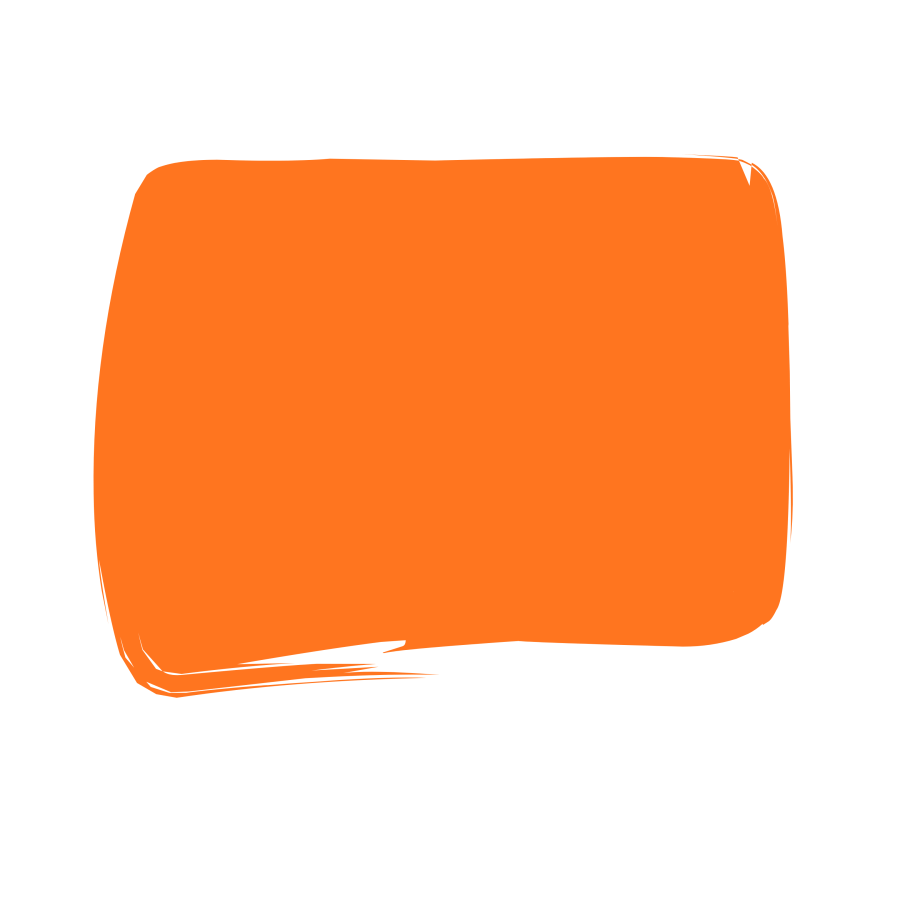
Amber, orange, and yellow for Islamic Jihad, Hamas, Al Qaeda and other forms of terrorism drawn from the same ideologies and beliefs. Graduations in these colours will let me map the global spectrum of groups and belief systems that make up this cluster of terrorism and develop infographics or data visualisations to show scale, reach, and impact

Grey to dark grey for nihilistic terrorism, emerging from cyber space and growing in scale, blurring between terrorism, assassinations, and information warfare. This is an interesting cluster, currently incubating rapidly within the internet, and periodically erupting in assassinations, fire bombings, and lone wolf attacks.
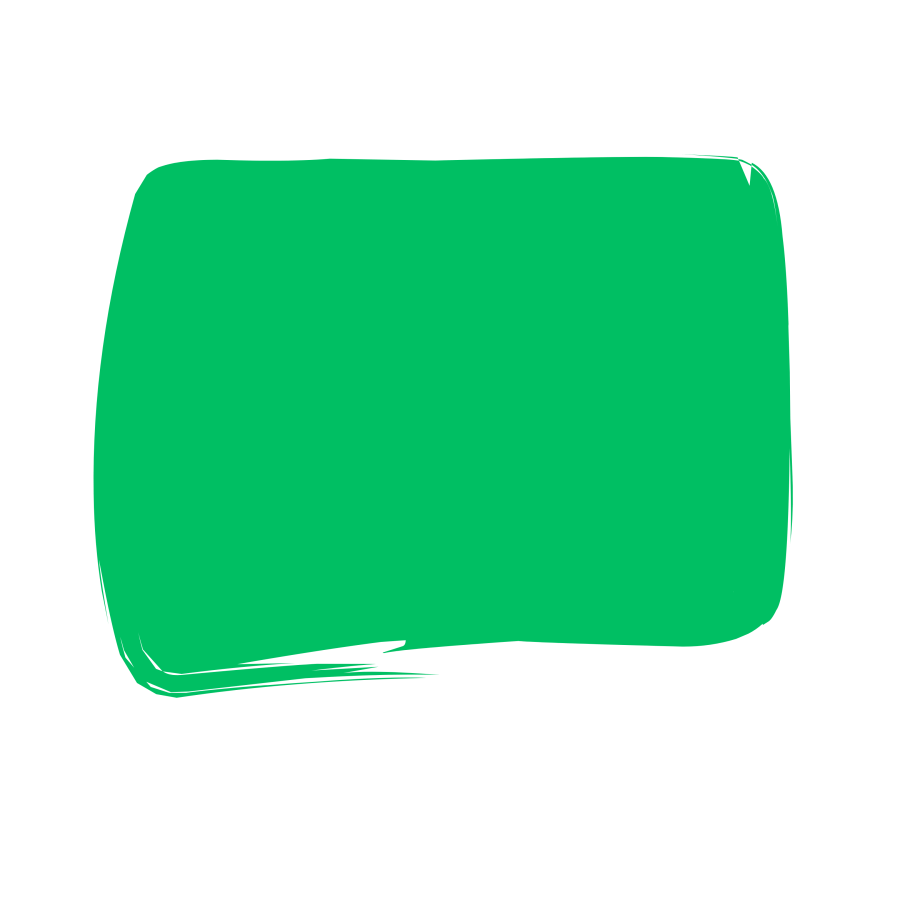
Dark Green to pale green for far right terrorism. A smaller cluster that can include political theories about power and rule, and tends to be more focused on lone actors or small groups, with often quite specific goals or intentions.
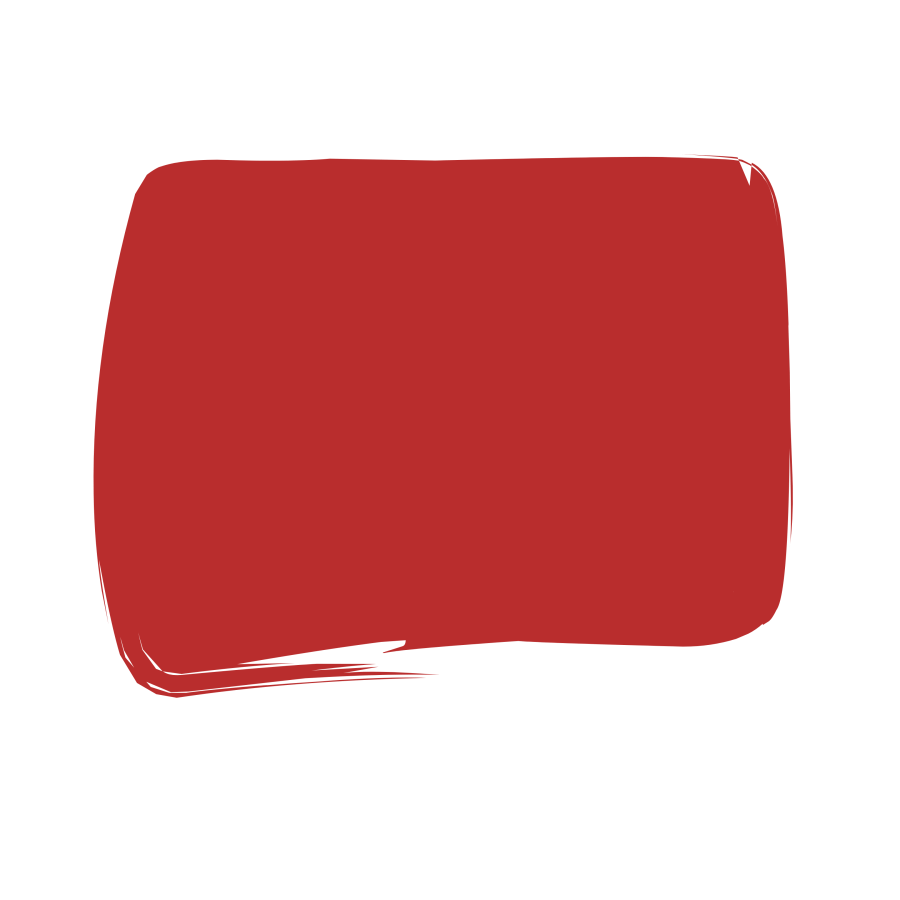
Dark Red to pale red for far left terrorism, currently undergoing an evolution and becoming more cohesive and violent with a widening array of targets.
There have been times, in the last century, when the collaboration between artists and poets has changed not only how we see and experience colour, but often how we see the world. The Russian avant-garde poet-painters, Dadaists, Cubists, Bauhaus painters, and the American avant-garde artists produced richly textured, sculptural clean forms of colour and shapes, wild explosions of creativity in publishing, book design, typography, and zines. Emerging in times of tremendous fear and uncertainty, when the world felt unstable and sweeping changes were occurring – from the fall of Prussia and the Hapsburg Empire, the emergence of a post WW1 world where nothing was the same, the early violent days of communism and maoism, and the relentless horror of violence at a scale never seen before – these artists and poets invented a vocabulary for a future that felt distant and out of reach. They looked at the rubble of a shattered world, and gave back the sacredness of colour and the sweetness of being human.
Vasily Kandinsky wrote “Colour is the keyboard, the eyes are the harmonies, the soul is the piano with many strings. The artist is the hand that plays, touching one key or another, to cause vibrations in the soul.”

